PMS for boutique hotels
Deliver a personal stay without improvising the operation.
Keep guest preferences, reservations, rooms, service notes and billing in one considered workspace while your property keeps its own identity.
- Web-based
- Role-aware
- Property-specific
Current property standingOpen view
Managing a boutique hotel comes with its own operational challenges.
Boutique properties compete through detail. The operating record must support personal service without turning every request into an informal handover.
Preference-led service
Guest notes and authorised preferences need to follow the stay without becoming scattered messages.
Distinctive room inventory
Individually styled rooms still require precise availability and assignment.
Small-team overlap
One person may cover several responsibilities during a shift.
Special requests
Arrival details and service commitments need a visible owner and status.
Brand consistency
The booking and property presentation should reflect the hotel’s own identity.
Give personal service a dependable operating record.
PMS connects the guest and room journey while branding, role access and enabled modules keep the workspace appropriate for an independent hotel.
Remember the guest context
Keep authorised preferences and previous-stay context available to the right team.
Treat every room clearly
Manage distinctive rooms through explicit types, inventory and readiness.
Assign visible actions
Keep requests and daily priorities from disappearing between overlapping roles.
Own the presentation
Use property branding, landing content and a verified domain where configured.
The PMS modules that matter to this operation.
Available modules depend on the selected plan and the capabilities enabled for the property.
Guest profiles
Keep contact, preference and stay context in one protected record.
Reservations
Manage dates, room selection, amendments and notes.
Front desk
Prepare arrivals and keep room and guest status current.
Housekeeping
Coordinate room preparation, inspection and special attention.
Folios & invoices
Keep charges and tax documents tied to the guest stay.
Branding
Control the property’s visual identity and guest-facing presentation.
Landing content
Prepare, preview and publish the property story and booking actions.
Follow the work from the first request to the retained record.
Each step keeps its property, guest and account context as responsibility moves through the operation.
- 01Direct enquiryCapture the guest’s dates and intent.→
- 02Personalised reservationSelect the room and retain relevant preferences.→
- 03Pre-arrival detailPrepare requests and arrival actions.→
- 04WelcomeCheck in with guest and room context together.→
- 05Stay serviceKeep authorised notes and open actions visible.→
- 06Guest accountReview charges and payment standing.→
- 07DepartureComplete the stay and retain useful history.
Give each person the property context their responsibility requires.
Role-based access limits pages and actions to the responsibilities and properties assigned to each authorised user.
Owner
Brand, performance context and access oversight.
Hotel manager
Daily decisions, room standing and service priorities.
Guest service
Reservations, arrivals, preferences and requests.
Housekeeping
Room preparation, inspection and special attention.
Accounts
Folios, payments and invoices.
OWOwnerAll assigned areasOwner
HOHotel managerRelevant property workAssigned
GUGuest serviceRelevant property workAssigned
HOHousekeepingRelevant property workAssigned
Anything not granted stays unavailable.
Keep personal details visible without cluttering the property day.
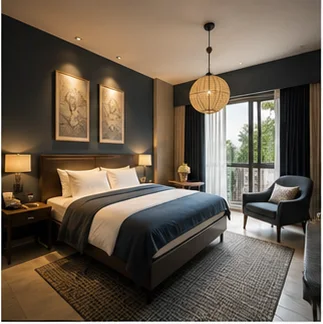
Illustrative boutique-hotel views combine the room, guest and service attention that shapes a more considered stay.
What changes when the property record is connected.
These gains describe clearer property work—not guaranteed financial or performance results.
More dependable personal service
Keep relevant guest context available to authorised roles.
Clear individual room standing
Treat distinctive inventory precisely rather than generically.
Fewer informal handovers
Keep special requests and actions visible to the next shift.
A consistent branded journey
Align property content and booking touchpoints with the hotel identity.
Connected billing
Keep service charges and payment records with the stay.
One PMS. Configured around your property.
Use one dependable operating base, then shape property structure, access, modules and presentation around the business.
Property-aware setup
Structure PMS around the property, units and operating model.
Role-based access
Give team members access according to their responsibilities.
Modular capabilities
Enable the services relevant to the property and selected plan.
Brand & digital presence
Support the property’s own presentation and guest-facing touchpoints where applicable.
Scalable architecture
Start with the required property and module allowance, then use available upgrades as the operation grows.
Boutique Hotels PMS questions, answered.
Straight answers about how this property model fits the PMS operating base.
Can PMS manage individually styled rooms?
Yes. Each room can remain an individual inventory record within the hotel’s configured room types.
Can we record guest preferences?
Authorised preference and guest information can be retained in the guest record, subject to access and privacy responsibilities.
Can a small team hold more than one responsibility?
Yes. Roles and permissions can be configured around the actual responsibilities assigned to each person.
Can we manage special arrival requests?
Reservation notes and operational actions can keep relevant requests visible to authorised teams.
Can the property use its own branding?
Yes. Logo, colours, typography, landing content and verified website address can be managed where included.
Does PMS replace the personal guest experience?
No. PMS organises the operating record so the team can focus on delivering the property’s own style of service.
Related property solution
Adding another distinctive property?
See how a group can retain property identity with central visibility.
 →
→Ready when you are
Ready to give your boutique hotel a clearer operating rhythm?
Discuss how PMS can support personal service, distinctive rooms and your own brand.